
Giá dầu thế giới vượt mốc 100 USD khi căng thẳng Trung Đông leo thang
10/03/2026 20:02 · 83 lượt xem · World News 🌍
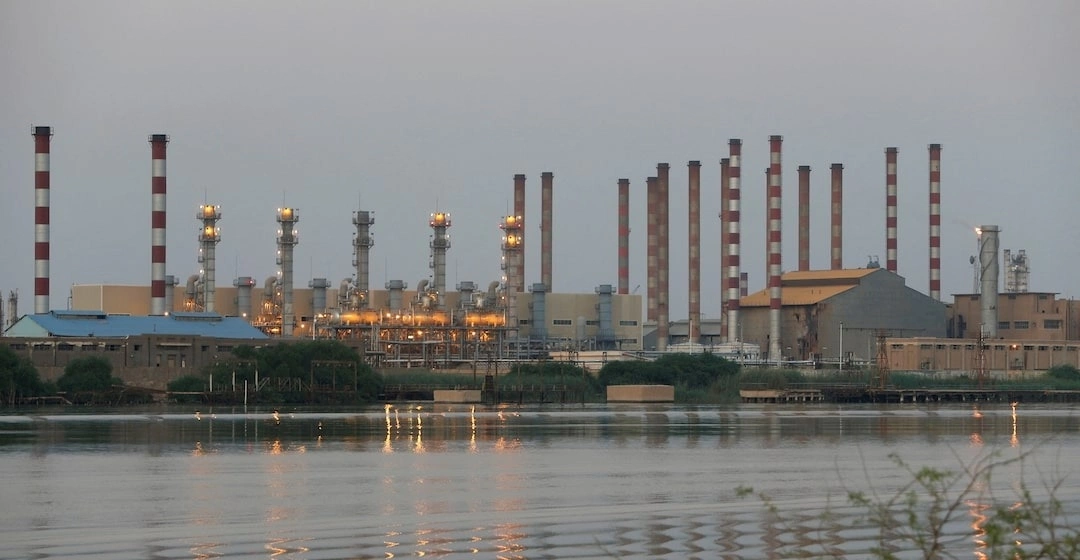
Giá dầu toàn cầu đã tăng vọt vượt mốc 100 USD/thùng trong phiên giao dịch sáng ngày 9/3, khi căng thẳng tại Trung Đông tiếp tục leo thang, làm dấy lên lo ngại về nguy cơ gián đoạn nguồn cung năng lượng toàn cầu.
Ngay khi mở cửa thị trường đầu tuần, hai loại dầu thô chủ chốt của thế giới là Brent và WTI đều ghi nhận mức tăng mạnh. Giá dầu Brent tăng khoảng 25% lên 116,3 USD/thùng, trong khi dầu thô Mỹ WTI thậm chí tăng tới 28%, đạt 116,4 USD/thùng. Trong tuần trước, cả hai loại dầu này đã tăng khoảng 30%, đánh dấu mức tăng mạnh nhất kể từ giữa năm 2022.
Mức giá hiện tại cũng là đỉnh cao nhất kể từ tháng 7/2022, thời điểm giá dầu Brent từng vượt ngưỡng 120 USD/thùng.
Diễn biến giá dầu tăng mạnh xảy ra trong bối cảnh tình hình chính trị tại Iran có nhiều biến động. Chính phủ Iran mới đây thông báo lựa chọn Mojtaba Khamenei, con trai của cố giáo chủ Ali Khamenei, làm Lãnh tụ Tối cao kế nhiệm. Quyết định này được cho là củng cố vị thế của phe bảo thủ trong bộ máy lãnh đạo Iran.
Trong khi đó, căng thẳng quân sự tại khu vực tiếp tục gia tăng. Quân đội Israel ngày 8/3 cho biết đã tiến hành các cuộc tấn công nhằm vào các chỉ huy Iran tại Beirut (Lebanon), mở rộng chiến dịch quân sự vào trung tâm thủ đô sau nhiều ngày không kích khiến gần 400 người thiệt mạng.
Trước đó, Israel cũng tuyên bố sẵn sàng tiêu diệt bất kỳ người nào được chọn kế nhiệm lãnh tụ tối cao Iran. Cùng thời điểm, Tổng thống Mỹ Donald Trump tuyên bố cuộc chiến chỉ có thể kết thúc khi hệ thống lãnh đạo hiện tại của Iran bị phá hủy.
Tối ngày 7/3, quân đội Israel lần đầu tiên tấn công vào các cơ sở dầu mỏ tại Tehran, với cáo buộc các cơ sở này cung cấp nhiên liệu cho nhiều đối tượng, bao gồm cả các đơn vị quân sự của Iran.
Xung đột ngày càng căng thẳng tại Trung Đông cũng đã làm tê liệt hoạt động vận chuyển năng lượng qua eo biển Hormuz, một trong những tuyến vận chuyển dầu quan trọng nhất thế giới, trong hơn một tuần qua.
Trong khi đó, Saudi Arabia – quốc gia xuất khẩu dầu lớn nhất thế giới – đang cố gắng tăng cường vận chuyển dầu qua Biển Đỏ, nhưng khối lượng này vẫn chưa đủ để bù đắp cho sự gián đoạn từ tuyến Hormuz.
Các chuyên gia cảnh báo rằng ngay cả khi xung đột kết thúc sớm, thị trường năng lượng toàn cầu vẫn có thể phải đối mặt với giá nhiên liệu cao trong nhiều tuần hoặc nhiều tháng tới. Nguyên nhân là do các cơ sở hạ tầng bị hư hại, chuỗi cung ứng gián đoạn và rủi ro vận chuyển gia tăng.